Curved Safety Pins
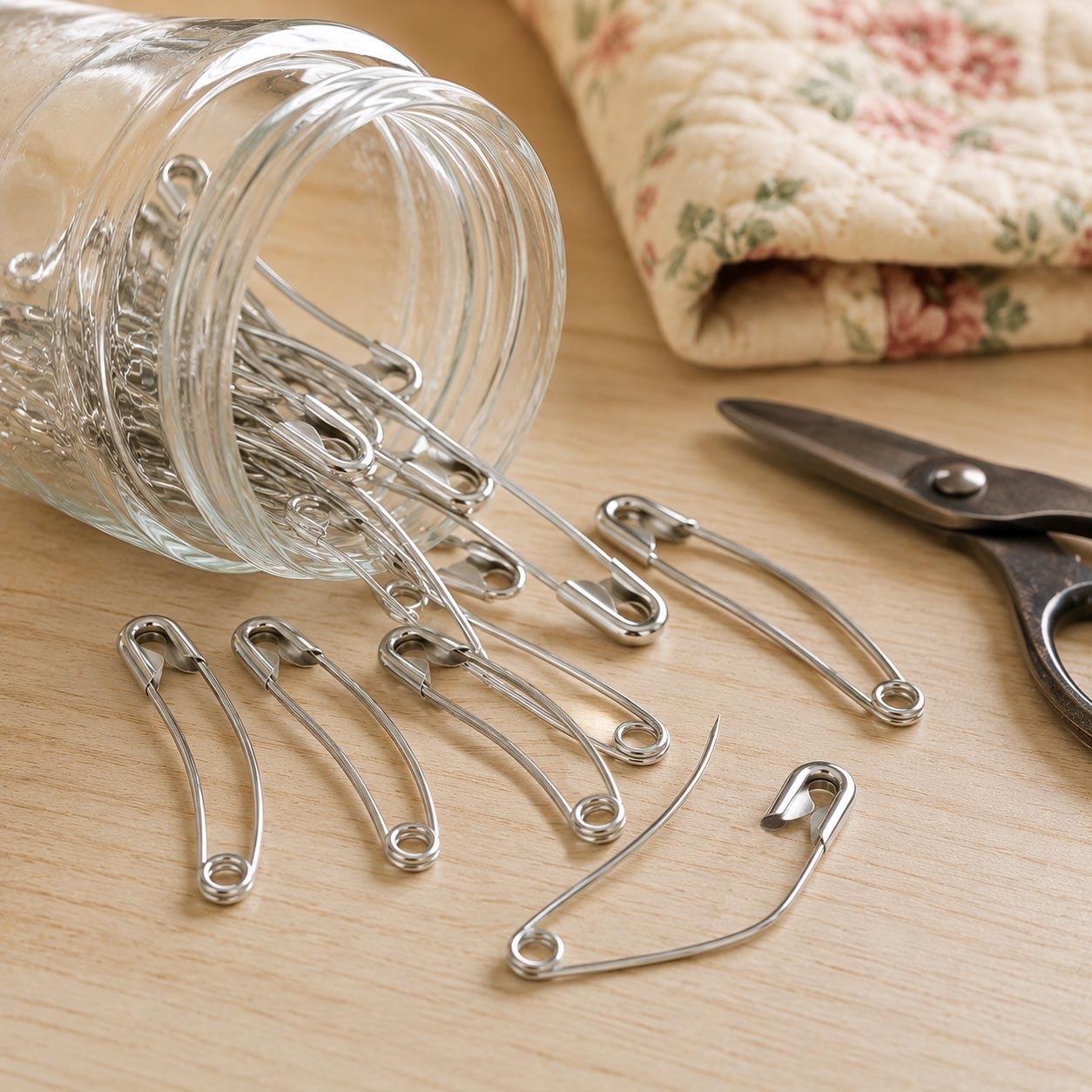
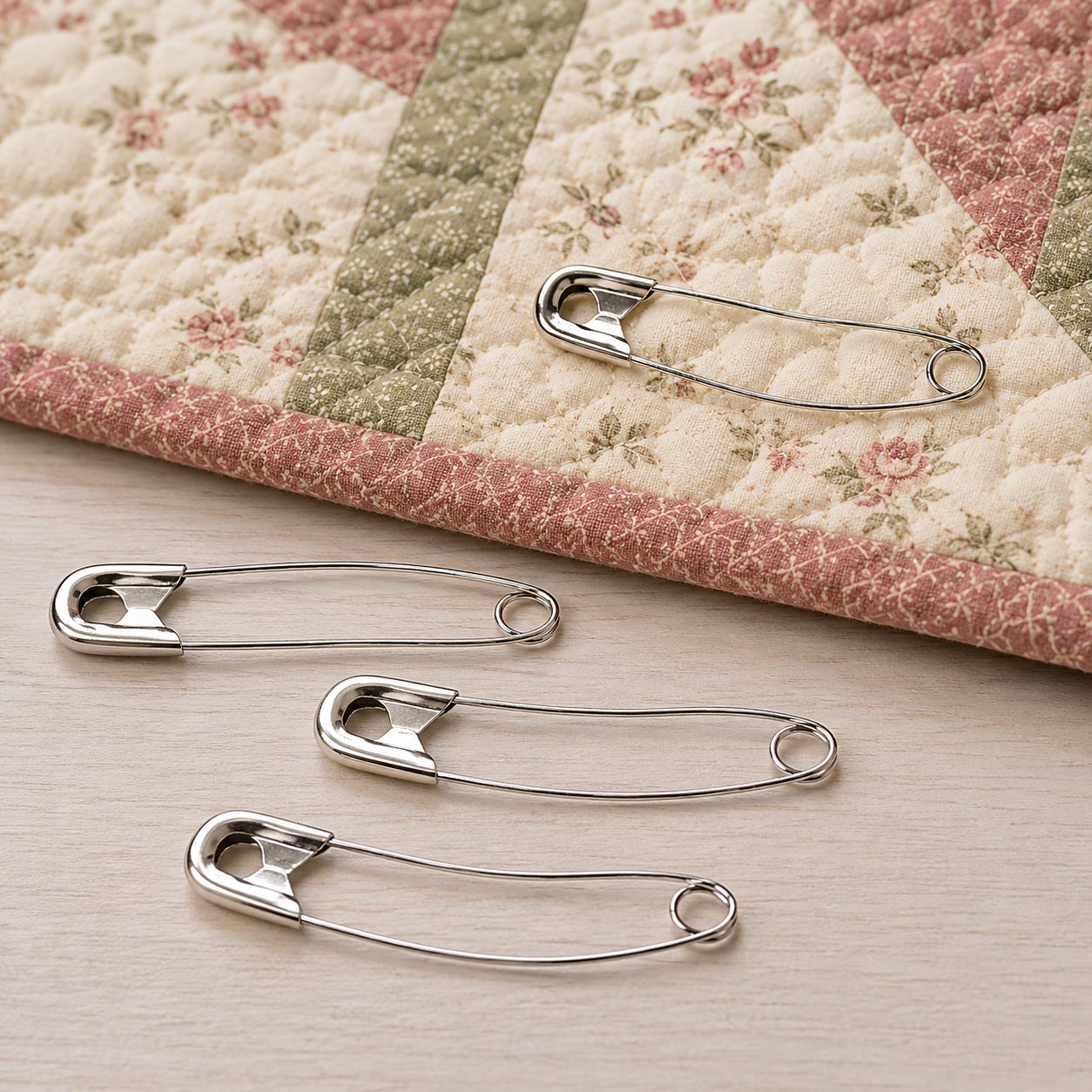
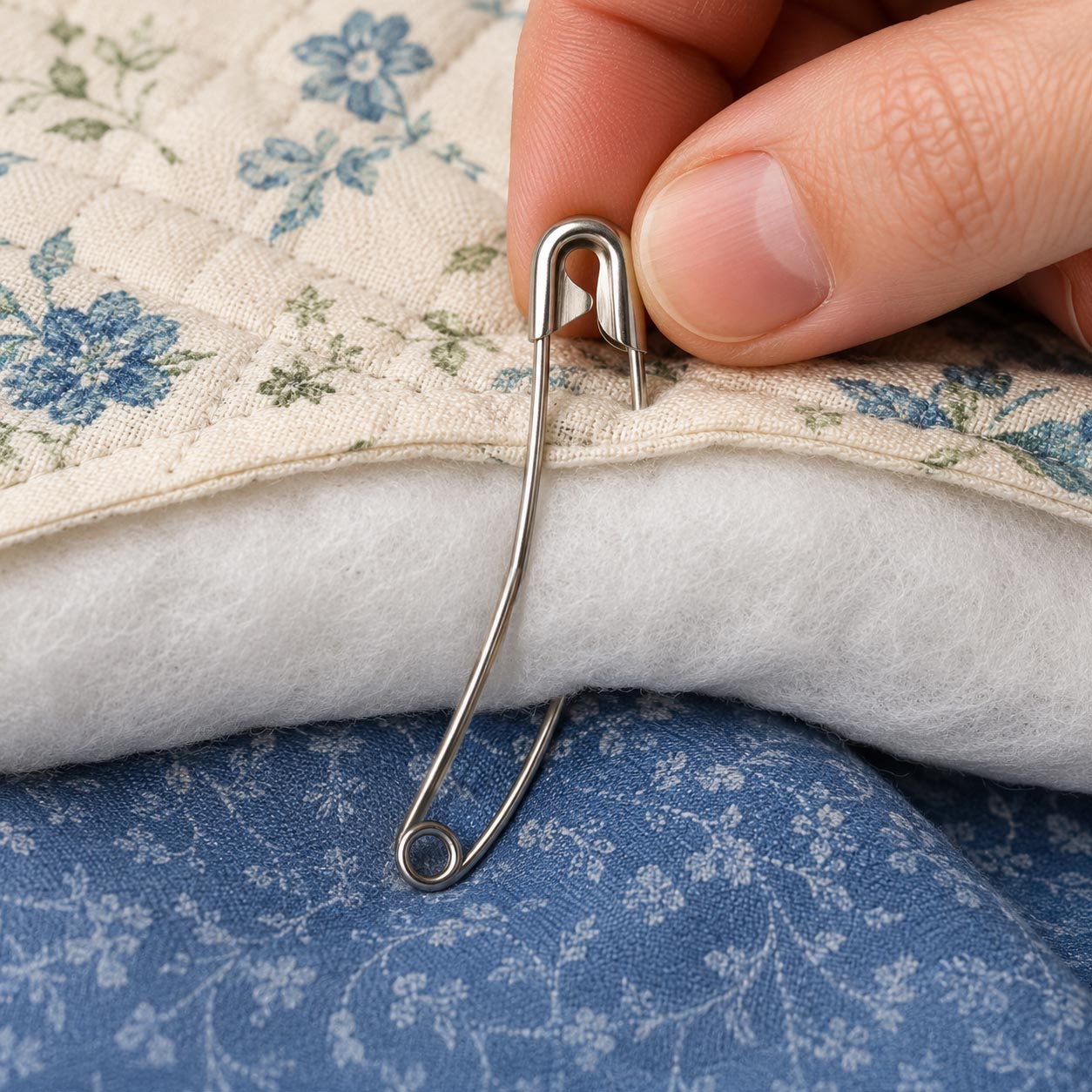
Curved safety pins are a helpful variation of the traditional safety pin, designed with a gentle bend along the shaft. This curved shape makes them especially useful when working with layers of fabric, batting, or other soft materials. Instead of lying completely flat like a standard safety pin, the curve helps the point pass through fabric layers more easily and come back up without as much bunching or shifting.
What Are Curved Safety Pins Used For?
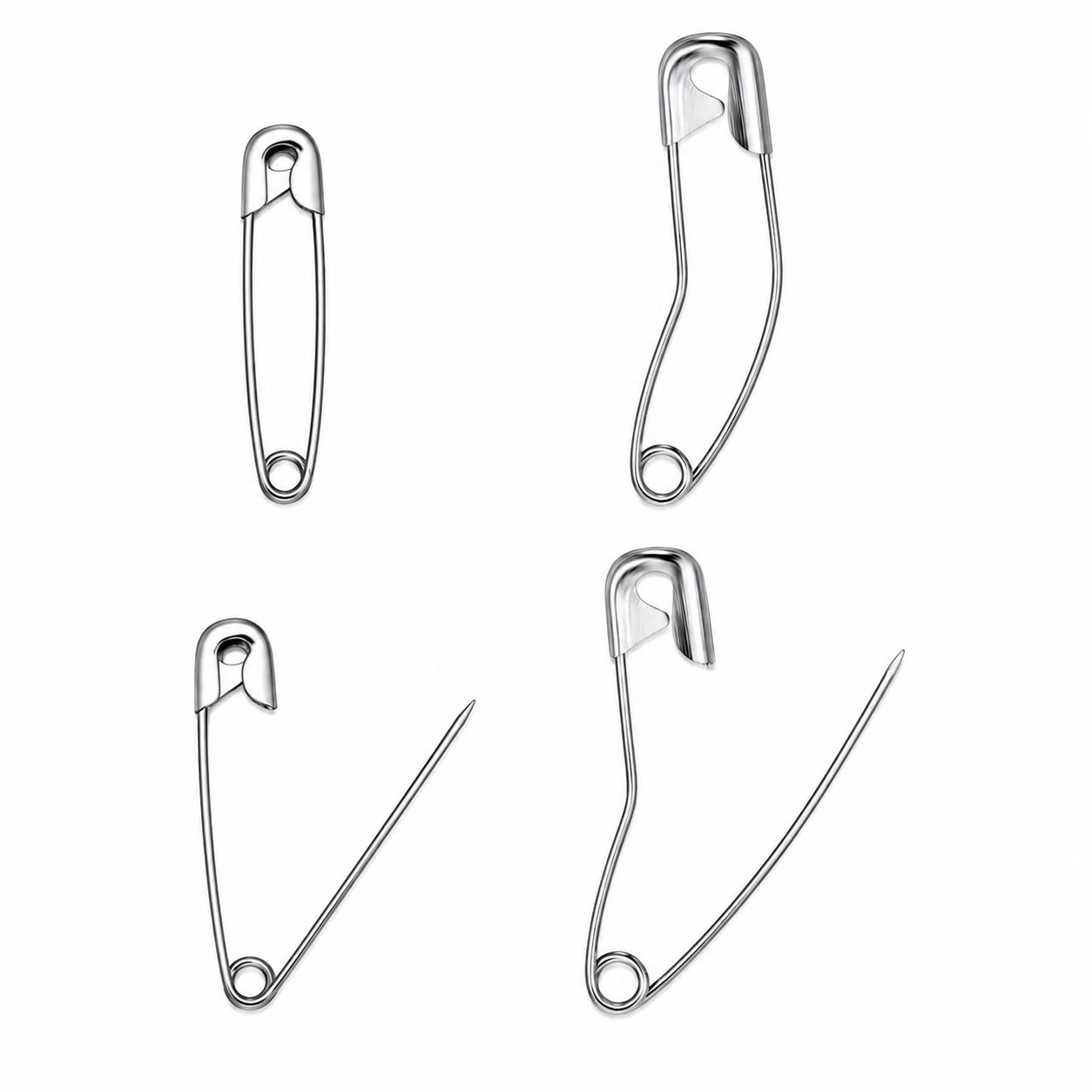
They are also useful for sewing, fabric crafts, upholstery projects, and other situations where several layers need to be held together temporarily. Because the pin closes securely, it is less likely to slip out than a straight pin.
Why Are They Curved?
Curved Safety Pins vs. Regular Safety Pins
Regular safety pins are straight and work well for general fastening. Curved safety pins are better when the project is flat and layered, such as a quilt sandwich. The curved shape gives better control when pinning through thicker or padded materials.
Common Uses
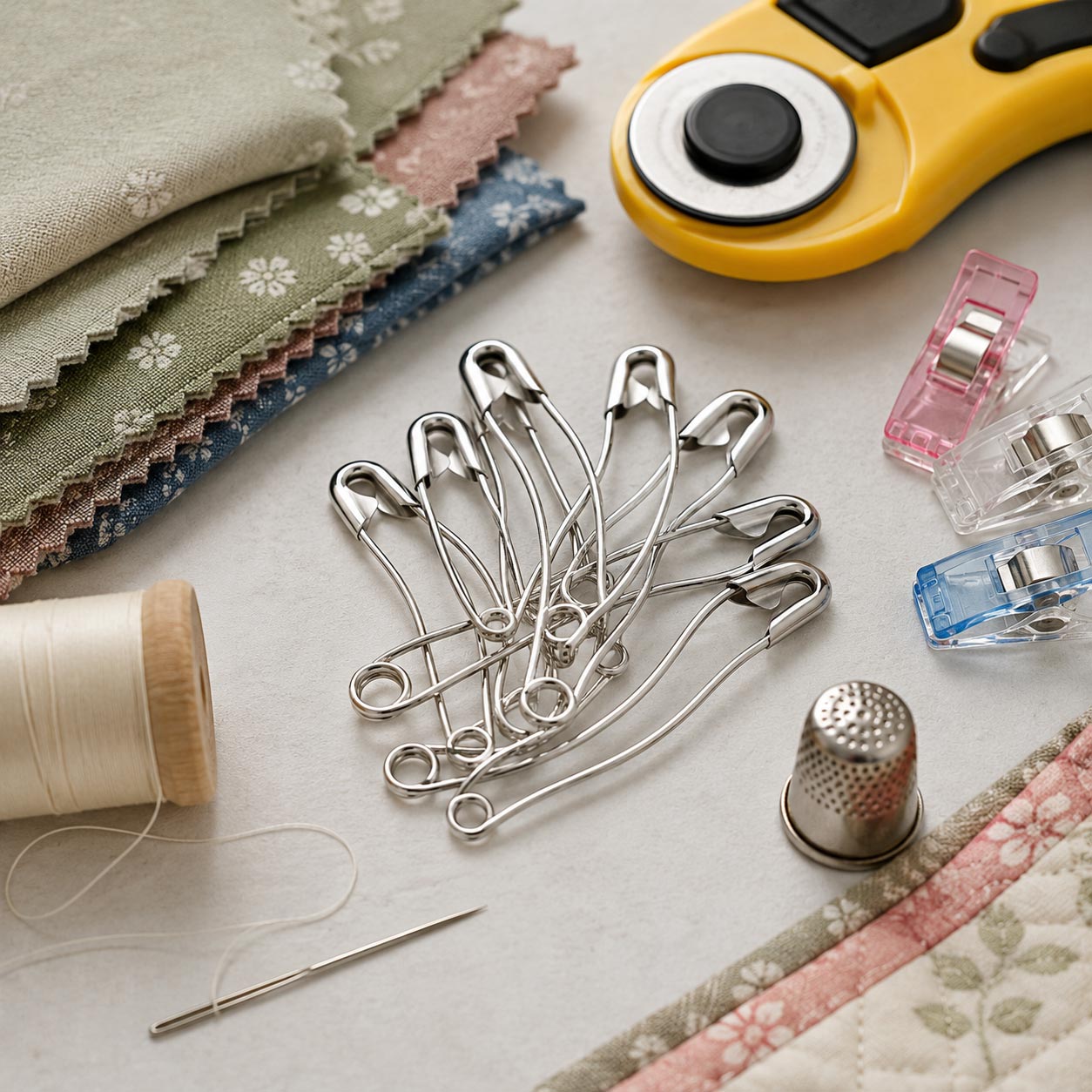
- Quilt basting
- Holding quilt layers together before stitching
- Sewing and fabric assembly
- Temporary fastening for craft projects
- Working with batting, padding, or multiple fabric layers
- Securing fabric without using loose straight pins
Tips for Using Curved Safety Pins
When using curved safety pins for quilting, place them evenly across the quilt layers to help prevent shifting. Many quilters space the pins a few inches apart, depending on the size of the project and how much movement the fabric has. Smooth the layers before pinning so the fabric stays flat.
For best results, choose a pin size that matches the thickness of your project. Smaller curved safety pins work well for lighter fabrics and smaller projects, while larger pins are better for thicker quilts, batting, and heavier materials.
Choosing the Right Size
Curved safety pins are available in different sizes. A larger pin can hold thicker layers more securely, while a smaller pin may be easier to use on lightweight fabric. If the pin feels difficult to close or pulls too much on the fabric, try a different size.
Helpful Note